Railroad Tracks and Tweezer
Railroad tracks and tweezer patterns are both popular reversal candlestick patterns in trading. Each consists of two candles pointing in opposite directions. While they may look similar at first glance, there are key differences between them that we will explore in this article.Contents:


Railroad Tracks Pattern
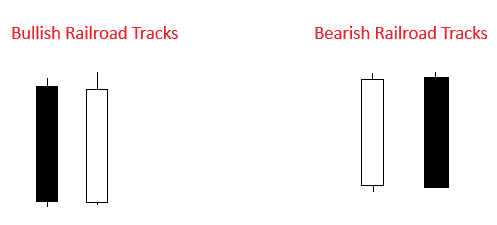
The railroad tracks candlestick setup consists of two candles with almost identical bodies pointing in opposite directions. The candles should have short wicks or none at all. As a reversal pattern, it is important that this formation is preceded by some price movement.
Tweezer Pattern
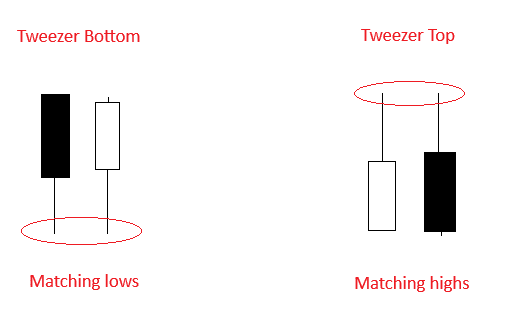
The tweezer pattern is a reversal formation in which the two candles must be pointing in opposite directions and should not differ significantly in size. Their wicks must point against the trend and have nearly identical lows or highs, depending on whether it is a bullish or bearish pattern.
How to Trade the Railroad Tracks and Tweezer Patterns
Since these are reversal patterns, their formation should be preceded by some price movement, and the patterns should be considered near the expected end of a move. It is better to ignore these setups if they form within narrow price ranges. The most suitable places to trade them are at channel boundaries, in corrections, at support and resistance levels, and other areas on the chart that you can identify as potential reversal points.Railroad Tracks in the Correction
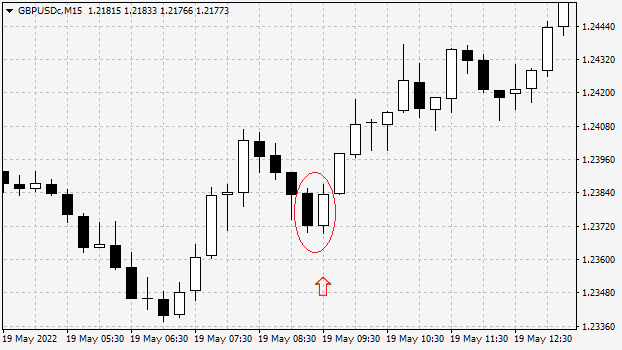
The railroad tracks pattern is located at the end of the correction. A trade can be entered here with a high probability of a positive outcome.
Railroad Tracks at the Channel Boundary
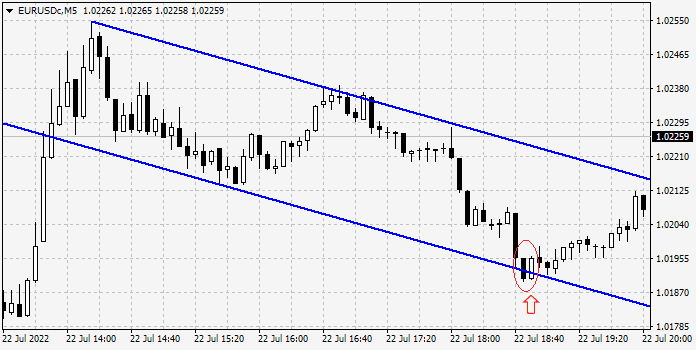
The railroad tracks pattern is located at the channel boundary. A trade can be opened here.
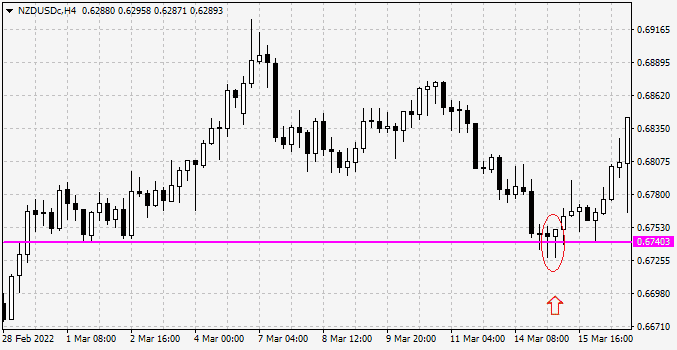
Tweezer at the Level
The tweezer pattern formed at the level, and a trade can be attempted here.
Related Posts:
- ✅ Pin Bar, Hammer, Shooting Star
- ⚡ Outside and Inside Bars
- 📜 Support and Resistance Levels
- 💱 Trend Lines
Comments


EdS 2025-11-20 17:19:53 #
I trade tweezer and railroad tracks only in combination with volume. For the tweezer pattern, the tips of the candle wicks must show high volume, which makes a price reversal highly likely. The same applies to railroad tracks: the reversal candle should have increased volume.

Melinda 2025-11-30 22:11:20 #
How do you determine that there is volume at the tips of the candle wicks? And how do you actually see or know the volume in metatrader?
EdS 2025-12-26 15:48:49 #
For MT4, I use a volume indicator and a footprint (to see which volumes are in which part of the candle) from Clusterdelta. For a quick assessment of the situation, I also use CandlePoc, also from Clusterdelta.



 Reviews:
 Reviews:
 Reviews:
 Reviews: